







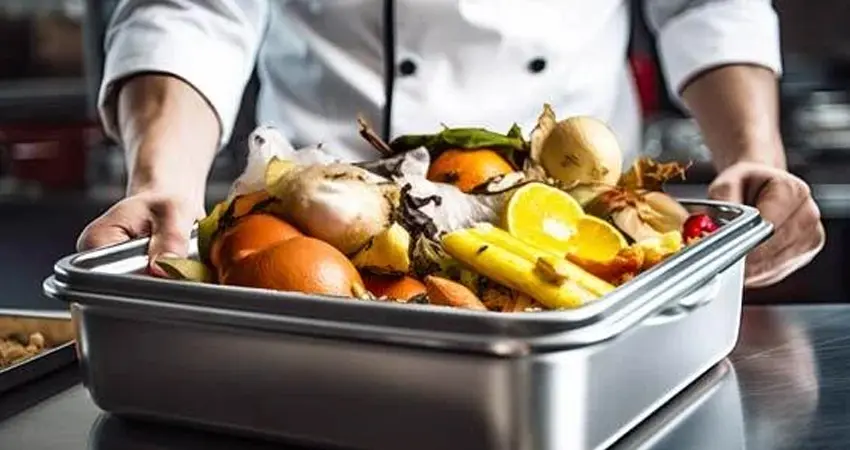
In busy hotel kitchens or big catering setups, food waste hits hard on the wallet. You might toss out pounds of fresh produce or meats each day without noticing, and that adds up fast. Precise inventory management acts as your shield against these losses. Goyal Kitchen Equipments steps in with tools that make waste reduction simple and effective. This guide shows you how to boost efficiency, cut costs, and meet green goals through smart equipment and habits.
Food waste drains profits in ways you can't ignore. In large-scale kitchens, it inflates your costs and hurts your bottom line. Let's break down the numbers.
Spoilage and extra batches jack up your cost of goods sold by up to 10%. Labor time spent on handling thrown-out items eats into hours that could go to cooking. Disposal fees pile on, sometimes reaching thousands yearly for a single operation. Studies show U.S. commercial kitchens waste about 4 to 10% of their food purchases. That means for every $100,000 in ingredients, you lose $4,000 to $10,000. Overproduction from poor planning doubles this hit. You order too much, cook too much, and end up scraping plates or bins.
Waste starts at buying. You guess wrong on quantities and buy excess perishables. Then, bad storage lets items spoil quick. Prep errors like uneven cuts lead to trims you can't use. During service, over-portioning means guests leave food behind. The chain from procurement to plate has weak spots everywhere. Strong storage keeps things fresh longer, cutting spoilage right at the root.
Customers now demand green practices from eateries. Regulators push rules on waste reduction too. Cutting food waste boosts your brand image and draws in eco-aware diners. It's more than saving cash—it's good for the planet and your rep. Kitchens that act on this stand out in a crowded market.
Smart storage turns the tide on waste. With the right setups, you extend shelf life and spot issues early. Goyal Kitchen Equipments offers reliable units that fit high-volume needs.
Even temps in fridges and freezers keep food safe and fresh. Goyal's blast chillers cool items fast to lock in quality. Walk-in coolers with precise controls avoid hot spots. Fluctuations from power dips or overloads speed up spoilage. Limit door opens to quick grabs. Load shelves without cramming air vents. This simple step can double produce life by days.
FIFO means first in, first out—it stops old stock from hiding. Goyal's mobile shelving lets you slide items forward easily. Gravity flow racks push older goods to the front. Clear labels mark dates so staff grab the right ones. In one hotel kitchen, this cut forgotten veggies by half. Prep time drops when you find things fast. No more digging through chaos that leads to rushed mistakes.
Prep work sets the stage for less waste. Tools that measure exact make every step count. You get more from your ingredients with Goyal's gear.
Sharp slicers and dicers from Goyal ensure even pieces. No more guessing sizes that lead to extras on plates. Portion scales weigh servings spot-on. This fights over-portioning, a top waste source. Staff spend less time fixing uneven cuts. In busy shifts, that saves hours and cuts labor costs. Guests get consistent meals too, which keeps them happy.
Combi ovens from Goyal cook with exact heat and steam. No scorching edges or dry centers. Induction tops heat fast and shut off clean. Program recipes to match every batch. This stops failed cooks that fill the trash. One catering team saw 20% less burned scraps after switching. Standard results across shifts mean no surprises. Try setting timers for small batches to match demand.
Guesses lead to errors; data leads to wins. Track stock in real time to stay ahead. Goyal equipment pairs well with these systems for smooth ops.
Ditch paper lists for apps that scan items in and out. Link them to your POS for live usage views. Spot gaps between planned and actual use quick. Set alerts for low par levels. Log spoilage by batch to trace causes. This setup catches overstock before it rots. Kitchens using it report 15% better inventory turns.
Past sales predict future needs. Software crunches data to suggest order amounts. Avoid overbuying salads on slow days. Tie it to weather or events for accuracy. Supply experts say synced chains cut waste by 25%. Review weekly to tweak forecasts. Your perishables stay fresh, not forgotten.
Look at waste logs to see common scraps. Turn veggie peels into soups or stocks. Design daily specials with near-expire items. Trims from meats become fillings for apps. This creative use boosts revenue from odds and ends. One institutional kitchen added byproduct tacos and sold out fast. It keeps inventory moving without force.
Track to improve— that's the rule. Know your waste sources to fix them. Simple habits build big changes.
Set up bins by type: spoilage, prep scraps, plate leftovers. Place them near stations for easy use. Staff log weight and cost right then. Use apps or sheets for quick notes. This pinpoints hot spots like over-prepped veggies. Train everyone on the why— it makes buy-in easy.
Review waste weekly with your team. Spot patterns and adjust buys or recipes. Retrain staff on weak areas. Managers join to set goals. One review cut prep waste by 30% in a month. Feedback keeps everyone sharp. Make it a habit, not a chore.
Quality gear from Goyal works hand in hand with solid processes. Together, they slash waste and streamline inventory. Start with precise storage to extend life. Go digital for tracking that predicts needs. Audit waste daily to learn and adapt. These steps deliver real savings—up to 20% on food costs. Your kitchen runs smoother, profits grow, and you help the environment. Ready to upgrade? Check Goyal Kitchen Equipments for tools that fit your scale. Act now for a leaner operation tomorrow.