







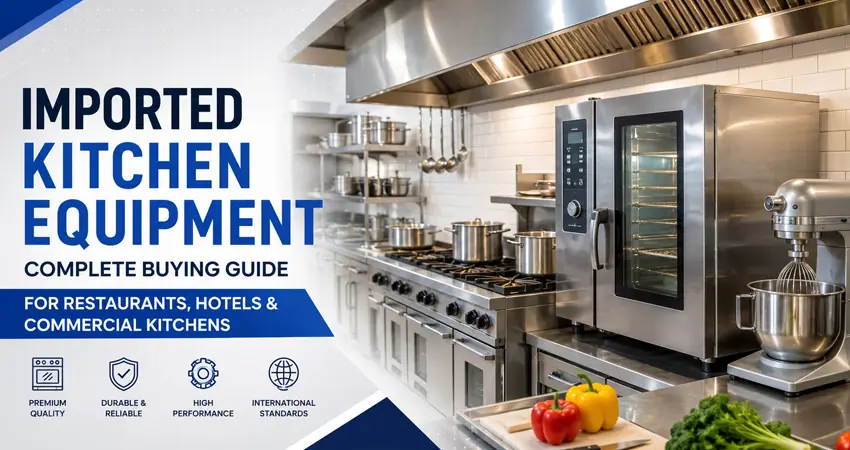
Setting up a commercial kitchen is no small feat. Whether you're launching a bustling restaurant, running a cozy café, or managing the culinary operations of a hotel, the equipment you choose can significantly impact your success. Imported kitchen equipment has gained popularity for its quality and innovative features. But why should you consider it?
This guide will walk you through everything you need to know about imported kitchen equipment, from the benefits that come with these high-quality tools to practical tips on choosing what's right for your needs. With so many options out there, making an informed decision is crucial when investing in imported commercial kitchen equipment. Let's dive into this essential buying guide!
Imported kitchen equipment brings a world of advantages to commercial kitchens. One significant benefit is the superior craftsmanship often found in products from renowned manufacturers. These items are built to endure rigorous daily use, ensuring longevity and reliability.
Additionally, imported equipment frequently features advanced technology that enhances cooking efficiency. Chefs can prepare meals faster while maintaining high-quality standards.
Another compelling reason to consider imports is the diverse range of options available. Whether looking for specialized appliances or innovative designs, international markets offer unique solutions tailored for various culinary needs.
Using imported kitchen gear also elevates your establishment's image. High-end equipment projects professionalism and can impress both staff and patrons alike.
Investing in imported commercial kitchen equipment may lead to energy savings over time due to improved efficiency ratings, ultimately reducing operational costs without sacrificing performance.
When purchasing imported kitchen equipment, budget is often the first factor to weigh. Prices can vary significantly based on brand and functionality. Set a clear financial limit before exploring options.
Next, consider your space and size requirements. Measure your kitchen area to ensure that any new equipment fits comfortably without disrupting workflow. Compact models might be ideal for smaller kitchens, while larger operations may have the luxury of spacious units.
Energy efficiency should not be overlooked. Equipment that uses less energy can lower utility bills over time and contribute to sustainability goals. Look for appliances with high-efficiency ratings.
Think about local regulations or standards regarding commercial kitchen equipment. Compliance ensures safety and legality in food preparation settings, avoiding costly fines or adjustments later on.
When it comes to importing kitchen equipment, budget is a crucial factor. Setting a clear financial limit helps streamline your options and prevents overspending. Imported commercial kitchen equipment can vary significantly in price, depending on brand, specifications, and quality.
Consider not just the initial cost but also long-term value. Higher-priced items often come with better durability and efficiency. Investing wisely means fewer replacements down the line.
Be aware of hidden costs as well. Shipping fees, import duties, and installation expenses can quickly add up. Always account for these when planning your budget.
It's wise to explore financing options if needed. Some suppliers offer payment plans or leasing arrangements that make expensive imports more accessible without breaking the bank. Prioritize essential pieces first before expanding your inventory based on return potential—this will maximize both function and profitability in your operations.
When selecting imported kitchen equipment, understanding space and size requirements is crucial. The layout of your kitchen influences efficiency and workflow.
Measure the available area carefully before making any purchases. A crowded kitchen can hinder movement, affecting both staff morale and service speed.
Consider the dimensions of each piece of equipment you're interested in. Ensure that there's adequate clearance for doors to open and for ventilation needs.
Also, think about future growth or changes in your business model. You might want to expand later; having flexible options will help accommodate new needs without major overhauls.
Remember that some imported commercial kitchen equipment may have larger footprints due to advanced features. Prioritize functionality while ensuring everything fits seamlessly into your existing space design.
Energy efficiency is a crucial factor when purchasing imported kitchen equipment. Not only does it reduce operational costs, but it also promotes sustainability.
Many modern appliances come equipped with advanced technology designed to minimize energy consumption. Choosing these models can lead to significant savings over time.
Look for energy ratings and certifications that indicate high performance. Devices with better ratings often use less electricity or gas while delivering the same output as their less efficient counterparts.
Consider your specific needs in relation to energy requirements. For instance, a commercial oven may consume more power than a standard model, yet offer quicker cooking times and improved results.
Investing in energy-efficient kitchen equipment not only benefits your wallet but also enhances your establishment's reputation among eco-conscious consumers.
Imported kitchen equipment comes in various types, each tailored to specific culinary needs.
Refrigeration equipment is essential for preserving food quality and safety. Options like commercial refrigerators and freezers ensure that perishable items remain fresh.
Cooking equipment plays a crucial role in meal preparation. From gas ranges to electric ovens, imported models often boast advanced technology that enhances cooking efficiency and consistency.
Food preparation equipment includes mixers, slicers, and processors designed to save time while maintaining precision. These tools are invaluable for busy kitchens aiming to streamline operations.
Each type of imported kitchen equipment brings unique benefits. Selecting the right tools can elevate your establishment's culinary game significantly.
Refrigeration equipment is a cornerstone of any commercial kitchen. It ensures that food items stay fresh and safe for consumption. When selecting imported refrigeration units, consider their capacity and efficiency.
Walk-in coolers, under-counter refrigerators, and display cases are popular choices. Each type serves distinct needs based on your menu and service style.
Look for units with reliable temperature control systems to maintain optimal conditions. Energy-efficient models can save money in the long run while providing top-notch performance.
Consider build quality as well—stainless steel options offer durability and ease of cleaning. Check user reviews to identify which brands consistently deliver reliability over time.
A good warranty can also be a sign of quality assurance from manufacturers. Investing in high-quality refrigeration equipment pays off by enhancing food safety standards in your establishment.
Cooking equipment is the heart of any commercial kitchen. Imported options often provide superior quality and innovative designs that enhance efficiency.
From state-of-the-art ovens to versatile ranges, imported cooking equipment can elevate your culinary offerings. Brands from Europe and Asia frequently emphasize precision engineering, ensuring consistent results in cooking.
Consider induction cooktops for quick heating or combi ovens for multifunctional use. These appliances not only save energy but also improve food consistency—vital in a high-paced environment.
Don't overlook specialty items like sous-vide machines or blast chillers. They can give you an edge over competitors by expanding your menu possibilities while maintaining quality.
Investing in reliable imported cooking tools means fewer breakdowns and longer lifespan. It's crucial for keeping service smooth during peak hours, allowing chefs to focus on creativity rather than repairs.
Food preparation equipment plays a crucial role in any commercial kitchen. It streamlines the cooking process and enhances efficiency. From mixers to slicers, these tools are designed for heavy usage.
Investing in high-quality imported food prep equipment can save time and reduce labor costs. Machines like industrial blenders and food processors allow chefs to prepare ingredients quickly while ensuring consistency in texture and flavor.
Consider features like capacity, power settings, and ease of use when selecting your equipment. A reliable food scale is also essential for precise measurements.
Imported options often come with advanced technology that improves performance. Look for brands known for durability and warranty support to protect your investment.
Ensure that all items comply with local health regulations; this guarantees safety and quality standards are met across your operations.
When it comes to imported kitchen equipment, several brands stand out for their quality and innovation.
One of the most recognized names is **Vulcan**, renowned for its robust cooking ranges and ovens. Their products are designed for high performance under heavy use.
**True Refrigeration** also deserves mention, particularly in refrigeration needs. Their reach-in coolers and freezers combine efficiency with durability, making them a favorite among chefs.
For food preparation, **Berkel** offers some exceptional slicers that are both precise and easy to operate. They bring professional-grade functionality right into your kitchen.
Then there's **Hoshizaki**, known for ice-making machines that deliver on demand while ensuring energy efficiency. Their units can easily integrate into any commercial setup.
Each brand has its standout models tailored to diverse needs in restaurants or hotels, ensuring you have reliable options when selecting imported commercial kitchen equipment.
Proper maintenance ensures your imported kitchen equipment lasts longer and performs efficiently. Start with a daily cleaning routine. Wipe down surfaces after each use to prevent buildup of grease and food particles.
Use the right cleaning agents specific to the material of your equipment. Stainless steel needs different care compared to aluminum or plastic parts. Avoid abrasive cleaners that can scratch surfaces.
Regularly check seals, hinges, and other moving parts for wear. This proactive measure helps in identifying issues before they escalate into costly repairs.
Don't forget about deep cleaning sessions at least once a month. Disassemble removable parts when possible for thorough access during these cleanings.
Always refer to the manufacturer's manual for guidelines on maintenance schedules and best practices tailored to your specific models. These tips will keep your kitchen running smoothly while maximizing life span and efficiency.
When it comes to imported kitchen equipment, several misconceptions often cloud the decision-making process. One common belief is that all imported products are of lower quality compared to domestic options. This isn't necessarily true. Many international brands adhere to high standards and offer superior technology and design not typically found in local products.
Another myth suggests that importing kitchen equipment will always lead to higher costs due to shipping and tariffs. While it's valid that some imports can be pricey, there's a wide range available at various price points, making it possible for businesses on a budget to find valuable options.
Some restaurant owners worry about compatibility with local utilities or regulations when using imported commercial kitchen equipment. However, most reputable manufacturers ensure their appliances meet global safety standards and work seamlessly with different energy sources.
Many believe maintenance of imported kitchen gear is more complicated than domestic models. In reality, proper care varies from brand to brand rather than being determined by whether they are made locally or abroad. With the right knowledge and resources, maintaining these devices can be straightforward.
Understanding these misconceptions can help you make informed decisions when purchasing imported kitchen equipment for your restaurant or commercial space. By looking past myths and focusing on quality features tailored for your needs, you'll set up your establishment for success.