







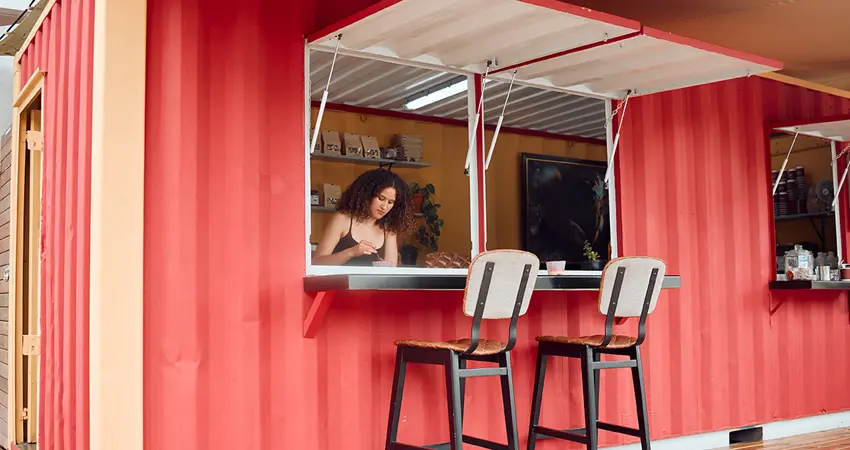
Imagine a quiet warehouse corner buzzing with excited diners. A young chef serves up bold fusion tacos that spark Instagram frenzy. Overnight, the spot becomes the talk of the town. Pop-up restaurants like this offer a smart way for new cooks and business owners to shine. They let you test ideas with little risk in a tough food world.
These short-term eateries cut costs by skipping long leases. You can build a fan base fast and network with pros. This guide breaks it down into five clear steps. It covers everything from your first idea to the big night. Whether you're new or have some kitchen know-how, you'll find real tips here. Pop-ups rule city food scenes now. They spark joy with fresh twists in limited runs. Let's dive into the steps to get your pop-up off the ground.
Start with what lights you up. Pull from your roots, like family recipes from Italy, or catch a trend like farm-fresh summer eats. A strong theme draws eyes and shares. Check what others do on TikTok or Yelp to spot gaps. Poll friends online: "What fusion flavors excite you?"
Write a quick plan on one sheet. Note your story, who you'll draw in, and how long it lasts—one night or a few days. This keeps focus sharp. For example, a beachy seafood pop-up in winter stands out. It builds buzz before you even cook.
Keep it simple for pop-ups. Aim for four to six dishes max. That way, you handle prep in tight spots without stress. Pick items that share ingredients, like rice in a stir-fry and sushi roll. It saves cash and time.
Test at home first. Cook for pals and note tweaks. Add choices for vegans or no-gluten folks to pull more guests. A poll showed 40% of diners seek plant-based options now. Price smart—target 30% food cost on sales.
Set a budget early. Food should eat up 30-35% of what you bring in, per food pros. Scale recipes for 50 or 100 plates. Use free tools like spreadsheets to track.
Pick plates that travel well if space lacks. Test setups in your kitchen. Set a deadline, say two weeks out, to lock the menu. This step avoids last-minute scrambles.
Hunt spots that fit your vibe. Think empty shops, park pavilions, or team-ups with brew spots. High foot traffic helps, like near offices at lunch. Use sites like Peerspace to browse rentals under $500 a day.
Talk terms with owners. Push for short deals to trim bills. Match mood—rooftop for starry-night Italian. Check laws: Some cities need event okay from parks. Walk the area first. See if it's easy to reach by bus or car.
Pick times that pop. Tie to fairs or holidays, but dodge big clashes. Weekends draw crowds; off-hours at cafes free up kitchens. Local event apps show calendars—aim for quiet slots.
Run one to four weeks to grow word-of-mouth. Short bursts build hype. During tough times like after COVID, pop-ups offered safe outdoor meals. One study found they boosted city dining by 25%. Start small if you're testing.
Get papers sorted quick. Most towns want health checks for food handling. If booze flows, grab a temp license. Liability coverage shields you from slips or allergies.
Make a list: Fire exits clear? Max crowd size? Call health offices weeks ahead. Fees run $100-300, but skips fines. Pros say this step trips up half of newbies—don't join them.
Build a small crew, four to eight folks. Need cooks who hustle, servers with smiles, and a greeter. Post on chef groups or LinkedIn: "Join fun taco pop-up—flex hours!"
Pick all-rounders for busy shifts. Hold meet-ups to share your dream. Set roles clear: Cook preps ingredients; server chats up guests. One chef team-up turned a solo idea into a hit collab.
Rent to save big. Grab portable burners or fridges from party rental shops for $50-200. List what your menu needs: Knives, pots, even coolers for ice.
Budget for one-use items like napkins—go green with bamboo to wow eco-crowd. Check thrift stores for cheap extras. A full kit might cost $300 if you rent smart.
Run drills before go-time. Practice plating speed and clean habits. Role-play busy rushes or picky eaters. It builds trust.
Keep spirits high with tips or shout-outs. Short sessions, one hour, cover flow from door to dish. Teams that click make magic happen.
Post teasers on Insta—sizzle shots of your star dish. Grow fans with stories of prep fun. Hashtags like #PopUpDining pull local eyes.
Team with food influencers for free tastes. Set up Eventbrite pages for tickets—easy RSVPs. Send emails to your list: "Sneak peek at our spicy wings!" One post can double turnout.
Link with nearby spots. Swap shouts with a coffee shop or market stall. Hand out cards at gyms or stores.
Host mini-tastings at events. Farmers' markets love pop-up tie-ins; one drew 200 extra visitors. Blogs often cover these—pitch your unique twist.
Set bold signs: "Try our secret sauce!" Add photo booths or chef chats. It sparks posts that spread far.
Track goals: Aim for 75% seats filled. After, email thanks and tease next time. This turns strangers into regulars.
Prep lists rule the day. Test gear at dawn; brief team on roles. Set waves: First hour for 20 guests, then ramp up.
Backup for rain—tents ready? Greet with warmth to set tone. Smooth starts lead to rave reviews.
Watch sales via simple apps. Ask quick polls: "Rate the pasta?" Note waste to cut next time.
Let staff adjust—speed up lines if crowds build. Real tweaks keep joy high. Data shows quick fixes boost repeat visits by 30%.
Wrap with team chats. Tally profits, read feedback. What flew? What flopped?
Log wins for next round. A strong pop-up often sparks a full restaurant. Use it as your springboard.
These five steps turn a wild food dream into real action. From concept sparks to post-event glow, you build skills and fans. Pop-ups let you play safe yet bold in dining.
Key points: Keep it lean to test true, wow guests for buzz, and learn from each go. Your next meal could change everything. Grab that idea, book the spot, and cook up success—your pop-up crowd waits.