






The food delivery market hit $150 billion worldwide in 2025, and ghost kitchens fueled much of that boom. These delivery-only spots, also called cloud kitchens, skip the dining room and focus on packing orders for apps like Uber Eats or DoorDash. Without a front-of-house setup, they change everything about how kitchens run, especially what gear you need to keep up.
At Goyal Kitchen Equipments, we see this shift up close. Operators now chase speed and smart space use over fancy looks. This guide breaks down how ghost kitchens reshape commercial kitchen equipment needs, so you can build a setup that thrives in this model.
Ghost kitchens flip the script on traditional restaurants. You don't worry about seating or ambiance. Instead, the goal is cranking out orders fast and fresh for drivers waiting outside.
In a ghost kitchen, every second counts during rush hour. Equipment must handle 50 to 100 orders an hour without a hitch. Traditional spots spread out cooking for a steady crowd, but here, bursts of demand hit hard.
Think about it: a burger joint in a mall might simmer sauces all day. A ghost version blasts through patties in minutes to meet app timers. This pushes for gear that cuts ticket times from 15 minutes to under 8. High-turnover tools like rapid grills become your best friends, not just nice-to-haves.
Speed isn't just about cooking. It ties into packing and handoff too. Poor equipment choice leads to soggy fries or cold pizzas, killing repeat orders.
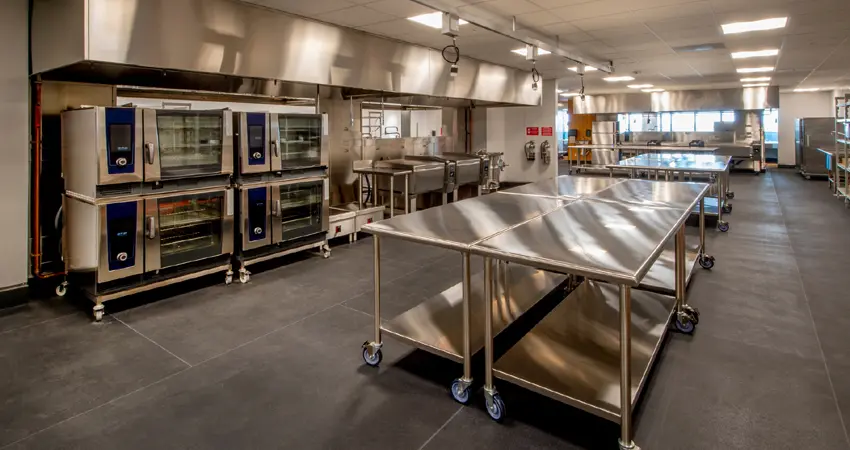
Ghost kitchens squeeze into warehouses or strip malls where rent stays low. Your space might run 500 square feet, half the size of a full restaurant. Stacking shelves and using wall-mounted units turns tight spots into powerhouses.
Vertical designs save big on costs. A standard kitchen wastes 30% of floor on walkways; ghost setups cut that to 10%, freeing room for more prep. Multi-task gear, like ovens that bake and steam, fits multiple jobs in one spot.
Picture shelves holding mixers above fridges. This setup boosts output per square foot by 40%, based on industry reports. It lets you scale without hunting bigger leases.
Many ghost kitchens juggle three or five brands from the same space. One minute, you're flipping tacos; the next, it's sushi rolls. Equipment has to switch gears fast, without deep cleans between shifts.
Menu engineering guides this choice. You pick tools that handle diverse tasks, like a versatile range for grilling and sautéing. This keeps costs down since one fryer serves burgers and wings across brands.
Swapping takes under 10 minutes if gear is modular. It means higher profits from shared overhead. Poor adaptability? You lose time and money on mismatched tools.
Delivery rules ghost kitchens, so gear focuses on keeping food hot, cold, or fresh till it reaches the customer. No more plating for eyes; it's all about sturdy boxes and quick seals. Upgrades here make or break your operation.
Rapid cookers shine in this world. Standard ovens take 20 minutes for a batch; high-speed combi units do it in 10, blending steam and heat for even results. This cuts wait times and fits peak demands.
Holding cabinets step up too. Drawer warmers keep fries crisp at 165 degrees for 30 minutes, perfect for DoorDash delays. Compare that to old-school steam tables that dry out food fast.
Invest here, and you see less waste. One chain reported 25% fewer returns after switching to these. They pair with apps to time holds just right.
Prep areas need tools for quick cuts and portions. Slicers that handle veggies and meats in seconds speed up assembly lines. Under-counter fridges pull ingredients without bending over, saving steps in cramped spots.
Cold storage goes vertical. Tall, narrow units store sauces and proteins stacked high, using 20% less floor than wide models. This keeps everything at 40 degrees or below, dodging spoilage in high-heat kitchens.
Portion control tools like digital scales ensure exact sizes for packaging. It reduces over-prep by 15%, per supplier data. These tweaks keep your workflow smooth and costs in check.
Crowded gear means more heat and grease. Modular hoods vent smoke without eating wall space, easy to install in rentals. They filter air clean, meeting codes in shared buildings.
Fire systems must be quick and quiet. Built-in suppressors in fryers shut down flames in seconds, no full shutdowns. In tight setups, this prevents small issues from halting service.
Regulations push for these in industrial zones. One operator avoided fines by choosing plug-in units over custom installs. Safety here protects your business day in, day out.
Apps drive orders, so equipment links to them. No more yelling tickets; it's all screens and sensors. This tech turns chaos into clockwork.
KDS screens pull orders straight from delivery apps. You see priorities pop up, like "hot" for urgent picks. It slashes errors by 30%, as teams follow digital cues.
These systems tag bottlenecks, say if chopping slows the line. Fix it on the spot, no guesswork. Integration with Uber Eats means real-time updates if a driver runs late.
Paper fades fast in humidity anyway. KDS keeps things dry and clear. Small ghost ops gain big from affordable cloud-based versions.
Smart fryers learn your patterns. They heat oil to temp before the rush, based on past data. This preps for 7 p.m. spikes without waste.
Link them to inventory apps, and they track oil levels or flour use. Auto-order alerts cut stockouts by 40%. Precise controls hold temps steady across batches, so every taco tastes the same.
In thin-margin spots, this saves cash. One study showed 20% less food toss from better forecasting. It's like having an extra cook who never sleeps.
Ghost kitchens grind non-stop, often 18 hours a day. Gear takes a beating, so pick tough stuff. Smart choices here keep you running without big headaches.
Heavy use demands stainless steel that fights rust and dents. Grade 304 holds up to constant wipes and splashes better than cheaper metals. It lasts years at 90% uptime.
Components like motors need beefy builds. A fryer running 12-hour shifts? Look for sealed bearings that shrug off grease. This cuts repair calls in half.
Operators swear by it. One shared how upgraded ranges outlasted basics by three years. Durability pays off in steady output.
Downtime hits hard without a backup crowd. Modular designs let you swap parts fast, like a plug-in heating element. Local techs fix issues in hours, not days.
Choose suppliers with on-call support. Quick fixes mean lost sales drop under 5%. In 24/7 ops, this is your safety net.
Tip: Hunt contracts for same-day service. It beats waiting on generic parts. Peace of mind matters when orders stack up.
Flexibility rules here. Leasing lets you test gear without huge upfront cash, ideal if brands change. Monthly payments fit OpEx, keeping loans low.
Buying suits stable setups. TCO looks lower long-term, with ownership after five years. But for quick pivots, lease spreads risk.
Crunch numbers: A $10,000 oven leased at $200/month totals $12,000 over five years, plus upgrades. Buy it outright for $8,000 net after resale. Match to your growth plans.
Ghost kitchens turn food prep into a high-speed delivery machine. Commercial kitchen equipment now prioritizes compact power over showy designs. This shift boosts efficiency but demands smart picks in every corner.
Key points stick out: Nail space use with vertical tools, weave in tech for smooth flows, and bet on durable builds for endless shifts. Miss these, and your operation stumbles.
Goyal Kitchen Equipments stands ready to help. We tailor layouts for ghost kitchen success, from combi ovens to KDS setups. Reach out today—let's gear up your fulfillment game for what's next.